Start With The Condition Of The Waste
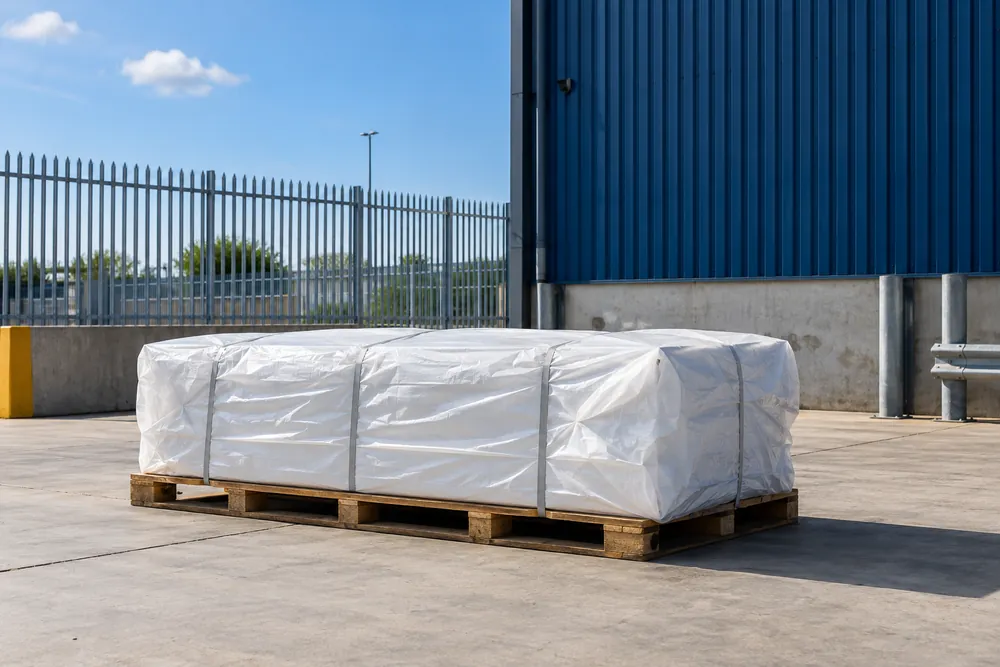
Asbestos disposal concerns material that needs an appropriate waste route, whether it follows a planned removal or a previous job has left items awaiting collection. The first questions are what the waste is, where it is stored and whether it is intact, damaged, wrapped or mixed with other debris.
Do not open packages or move fragments to inspect them. Tell us what you already know from the survey, sample report or removal records. Photographs taken from a safe distance can help explain access without creating another handling task.
Collection And Removal Are Different
Collecting properly prepared waste is different from dismantling a roof, cleaning a contaminated room or sorting unknown debris. If material is still attached to a building, the work needs an appropriate removal assessment. A collection-only scope should not quietly become a removal job on arrival.
Likewise, bags of mixed rubble may require a different assessment from intact sheets. Suspect contamination around the storage location may need specialist advice before any collection can be planned. Explain the full situation rather than describing only the number of items.
The Rules For Business Waste In England
GOV.UK identifies asbestos as hazardous waste and explains the duty of care for businesses handling it. The Hazardous Waste (England and Wales) Regulations 2005 provide part of the legal framework, as amended. Collection and disposal arrangements must suit the waste classification and the receiving facility’s permissions.
Use a suitably registered waste carrier and check the intended destination can accept the waste. Business hazardous-waste movements require the relevant consignment documentation. The waste holder should understand the paperwork and retain the records needed for their own responsibilities.
Agree A Safe Collection Scope
First, provide the postcode, known material type and any available test results. Describe where the waste sits, whether it is accessible from outside and whether there are stairs, narrow routes or height restrictions. Explain any damaged packaging without attempting a repair yourself.
Next, the proposed firm assesses what handling and preparation are required. Agree who is responsible for suitable packaging, access controls and loading arrangements. Any work involving asbestos must also be assessed under the Control of Asbestos Regulations 2012 where applicable.
Before collection, confirm the carrier details, receiving facility and documentation included. Keep people away from the storage area and avoid additional handling. After collection, obtain the agreed waste records and store them with the related survey or removal project information.
Check The Business Waste Route
Business asbestos waste needs an authorised collection and disposal route, and facility acceptance rules can change. Do not assume that a nearby recycling centre accepts asbestos or waste from contractors. Confirm the receiving facility’s permissions and acceptance conditions before transport or collection is arranged.
For a business enquiry, explain which premises generated the material and whether it arose from maintenance, refurbishment or contractor works. The proposed firm can then assess the appropriate collection route and documentation. Never place asbestos in ordinary business rubbish, an unapproved skip or a general mixed-waste load.
What Determines The Disposal Cost
Quantity, material condition, packaging and access affect the quotation. Collection from a secure accessible storage point differs from handling damaged items in a confined space. Waste classification, transport arrangements and the receiving facility’s charges also contribute to the cost.
Ask whether preparation, loading and disposal records are included, and whether the quote assumes waste is already safely packaged. If that assumption is wrong, arrange a revised scope before collection. Comparing only a headline collection charge can hide important differences in the work included.
Keep A Clear Record Of The Outcome
Keep the description of the waste consistent from the enquiry to the collection and paperwork. If the material differs from the original description, the firm needs to reassess before loading. An unexpected damaged package or mixed debris is a reason to pause rather than improvise.
Afterwards, check that the documentation identifies the relevant movement and agreed destination. If waste came from a building removal, update the associated project record and asbestos register where appropriate. Disposal paperwork records a waste movement, but it does not certify that every part of a property is free of asbestos.
Your Questions, Answered
Can Asbestos Go In A Normal Skip?
Asbestos waste must not go in a normal mixed-waste skip. It needs suitable handling, packaging and an authorised disposal route, with the relevant documentation for the waste movement. Tell the collection firm what the material is and how it is stored before arranging a suitable container or collection.
How Should A Business Choose A Disposal Facility?
A business should confirm that the receiving facility is authorised to accept its asbestos waste and agrees to the waste type, quantity and packaging. Check the carrier’s registration and the documentation required for the movement. Arrange the business waste route before collection, rather than moving material before acceptance is confirmed.