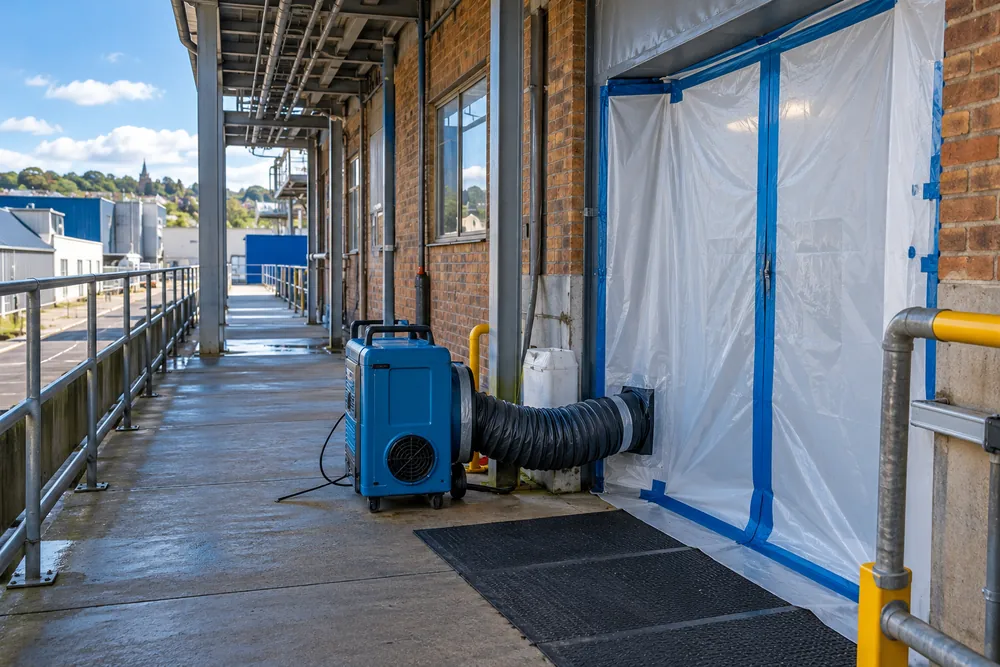
Decide Whether Removal Is Needed
Asbestos removal is one possible response to a confirmed material, rather than the automatic answer to every finding. Material in sound condition that is unlikely to be disturbed may be better managed in place. Damage, an unavoidable work route or demolition can change that decision.
Start with a survey or reliable sample information and a clear description of the proposed works. A quotation based only on an approximate material name may miss access, contamination or surrounding construction issues. The person assessing the work needs enough information to select a suitable method.
Different Materials Need Different Controls
The risk depends on the material, condition and work method, not only whether asbestos is present. Removing intact cement sheets is different from disturbing friable insulation. Work classification must be made by a competent person using the circumstances of the actual job.
Do not break, cut or pressure-wash suspect sheets to make them easier to remove. Avoid moving debris or dismantling surrounding structures before specialist advice. Those actions can change both the exposure risk and the scope of cleaning needed afterwards.
Licensed And Non-Licensed Work
The Control of Asbestos Regulations 2012 distinguish licensable work, non-licensed work and notifiable non-licensed work. Work that requires an HSE licence must be undertaken by a contractor holding the relevant current licence. Non-licensed does not mean uncontrolled or suitable for untrained handling.
HSE guidance explains how the material and likely exposure affect the work category. Ask the proposed contractor to explain the classification, risk assessment and plan of work. Where notification, health records or medical surveillance apply, these are part of the contractor’s work arrangements.
How A Removal Project Is Arranged
First, review the survey findings, sample references and location plans. Agree the materials to be removed and any access, service isolation or occupancy restrictions. A site assessment may be needed before a final scope and quotation can be issued.
Next, the contractor develops the work plan and appropriate controls. These may include restricting access, suitable equipment and specialist containment where required. The building programme should allow for the necessary preparation instead of treating removal as an ordinary strip-out task.
After removal, the cleaning and handover process must match the work category. Where formal four-stage clearance applies, an appropriately accredited analyst assesses the work area and relevant certification. Clarify these arrangements before the project starts, including who appoints the analyst.
Waste Handling And Disposal
Asbestos waste must be kept secure and moved through an appropriate authorised route. Business waste in England has hazardous-waste requirements, including relevant documentation. The contractor should explain how waste will be packaged, transported and received by a permitted facility.
Ask which waste records you will receive and keep them with the project information. Removal and disposal are related but separate parts of the scope. Our asbestos disposal guidance explains the questions to ask when material is already awaiting collection or its origin is uncertain.
What Affects Removal Costs
The material type, quantity and condition all influence the work plan. Access height, fragile surfaces, enclosure needs, decontamination arrangements and neighbouring occupancy can add complexity. Disposal, analyst attendance and reinstatement should be identified rather than left as unclear extras.
No useful fixed price can be given without understanding the job. Compare written scopes that state the removal boundary, exclusions and handover documents. Ask whether access equipment, waste charges and any required clearance are included before choosing a contractor.
What Happens After The Work
Review the handover documents before returning the area to its intended use. A certificate or completion record should relate to the work actually undertaken, not imply that unrelated parts of the property have been inspected. Keep remaining materials and excluded areas visible in your records.
Update the asbestos register and management plan to reflect what has changed. Share the revised information with the people responsible for maintenance or the next construction stage. If the project reveals further suspect material, stop the affected activity and obtain advice before expanding the removal work.
Your Questions, Answered
Does Every Removal Job Need A Licensed Contractor?
An asbestos removal job needs a licensed contractor when its assessment places it in the licensable category. Other work may be non-licensed or notifiable non-licensed, but still needs suitable training and controls. The contractor should explain the classification for your specific material and proposed method before work is agreed.
Can Asbestos Be Left In Place?
Asbestos can sometimes be left in place when it is in good condition and unlikely to be disturbed. That decision needs a suitable assessment and ongoing management, particularly in premises with a duty to manage. Planned refurbishment, deterioration or accessibility may make repair, protection or removal the more appropriate option.